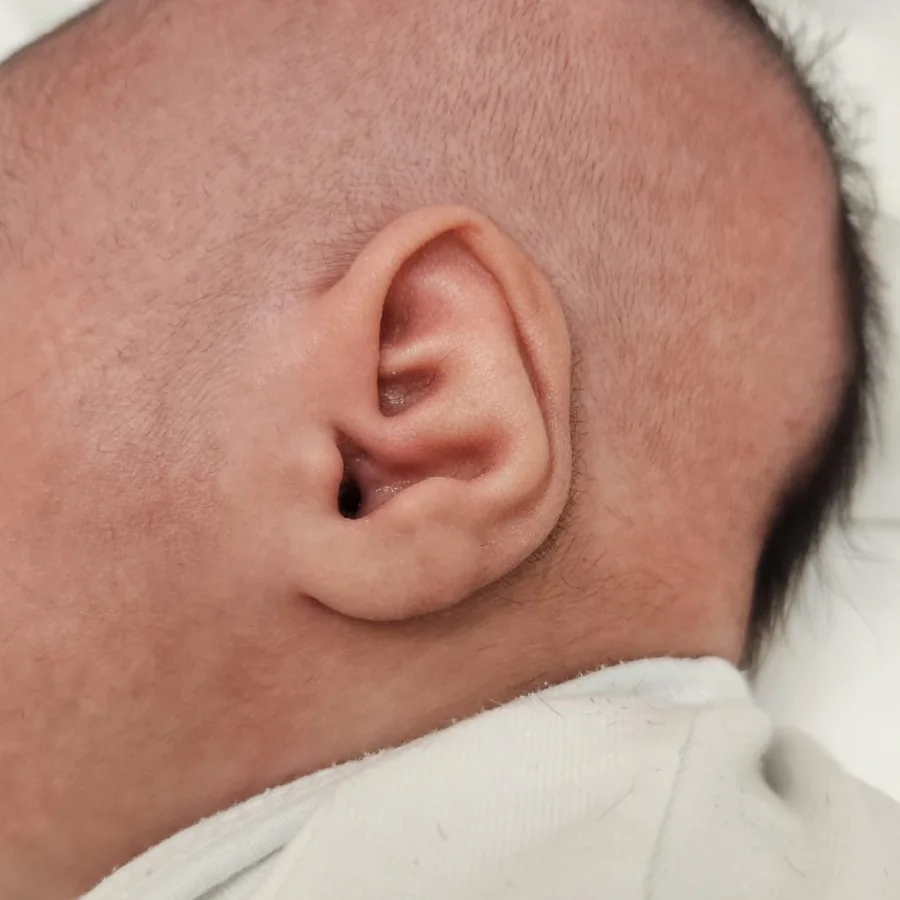
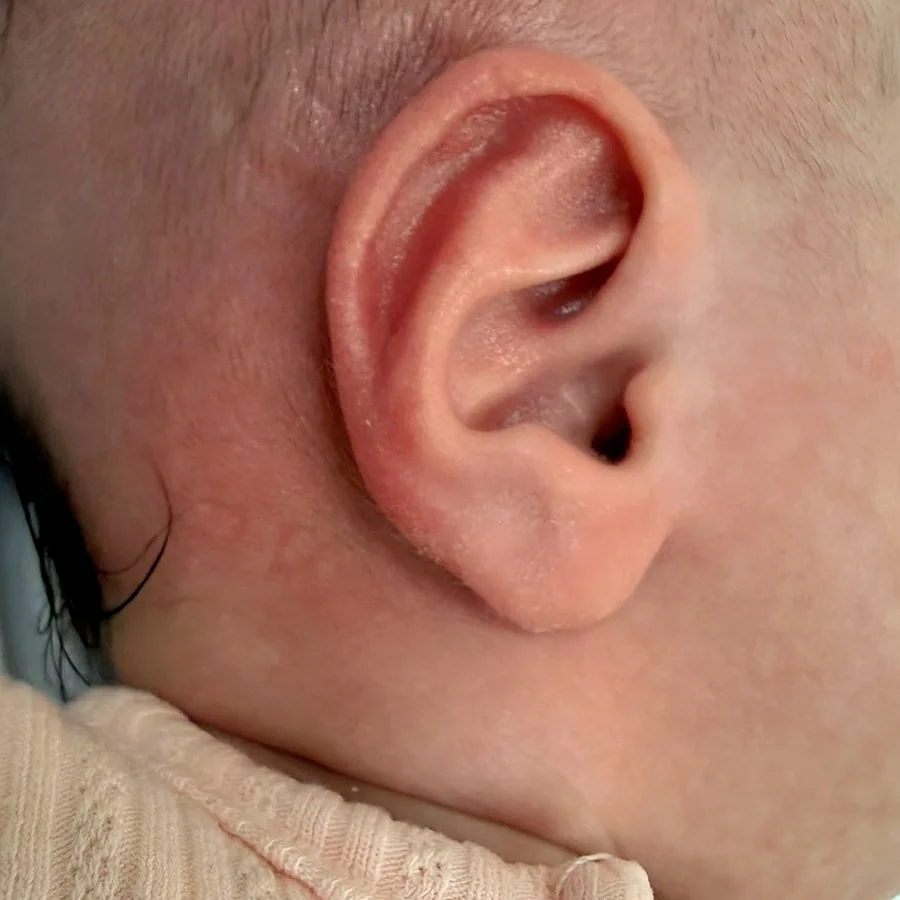
Non-surgical ear shaping with CranioWell

CranioWell
What is CranioWell?

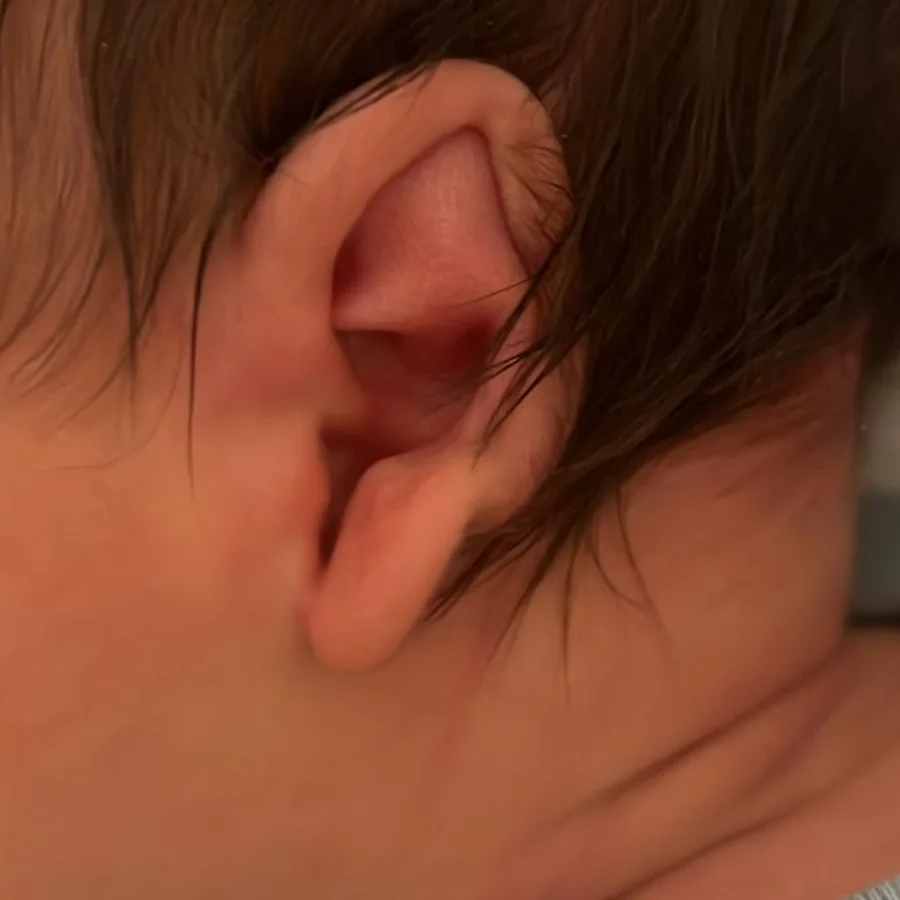
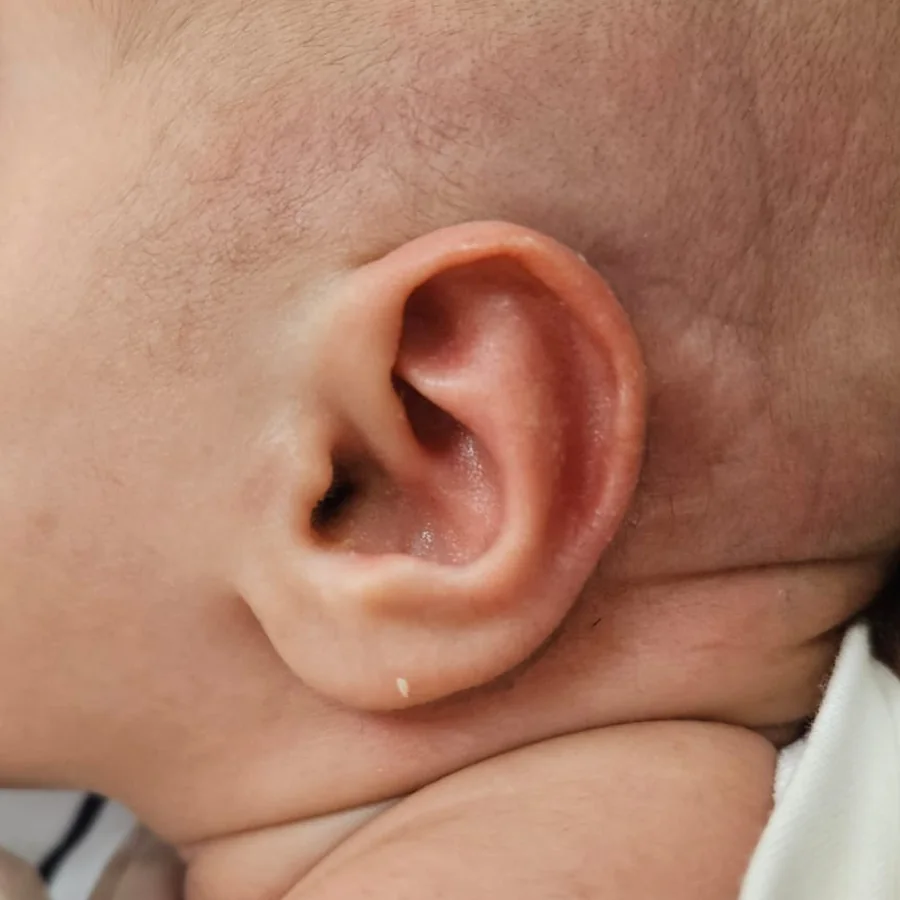
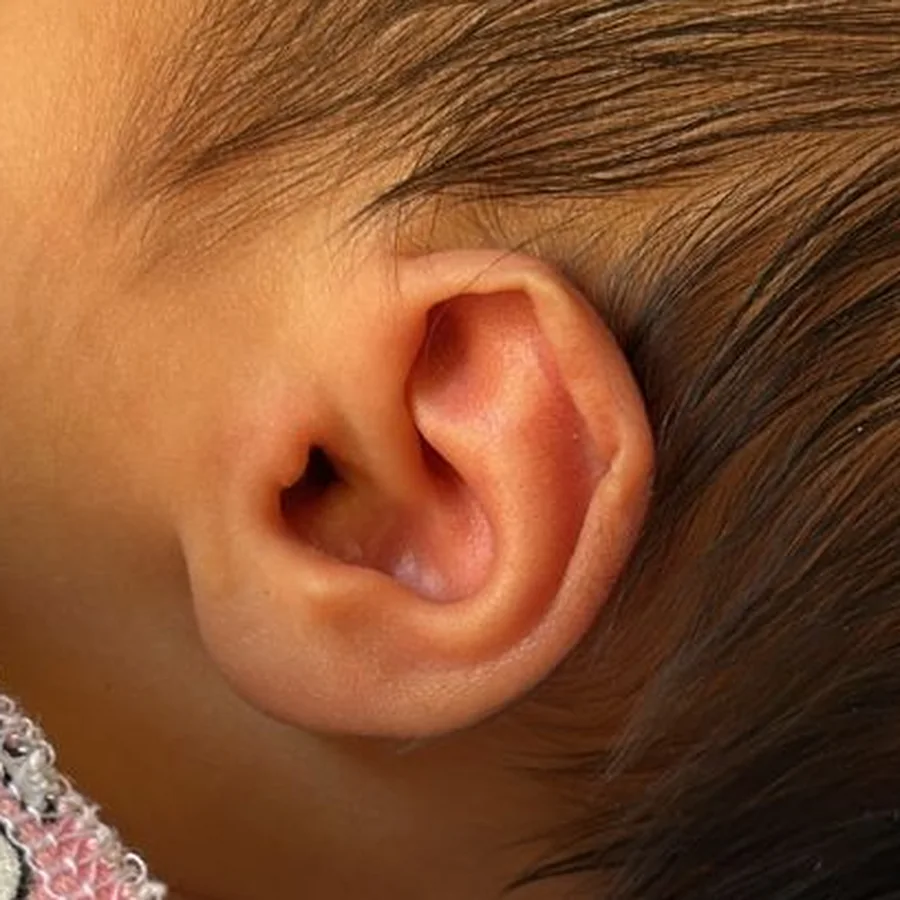
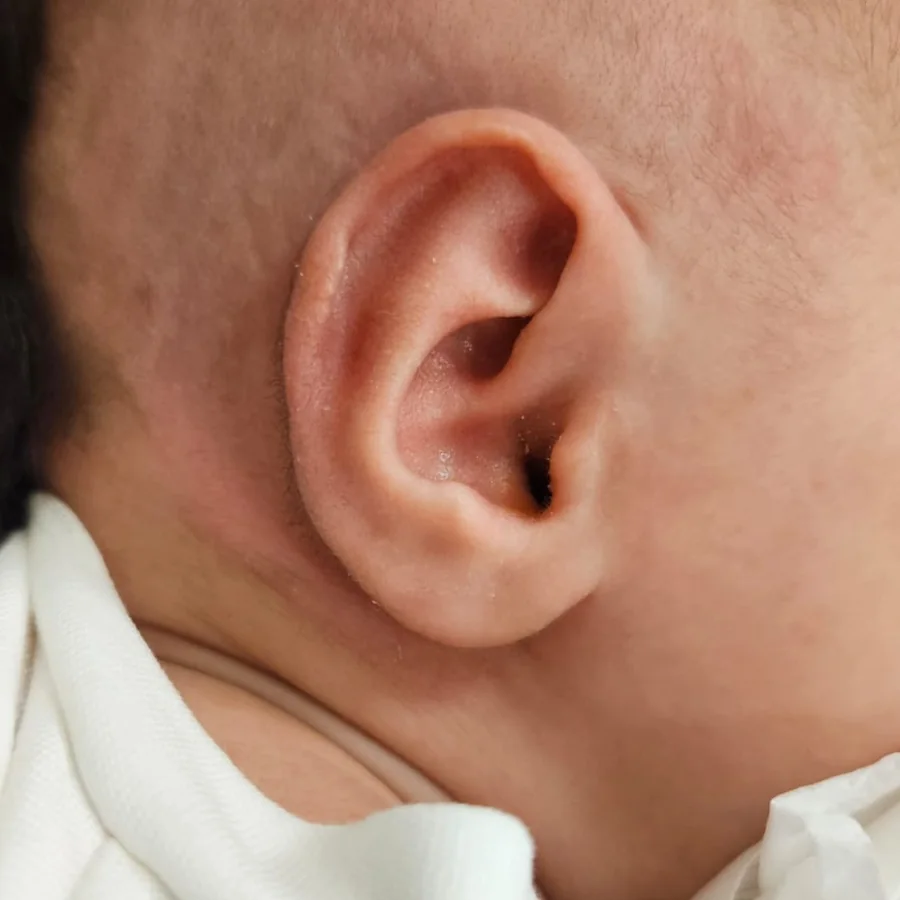
Non-surgical ear shaping for babies

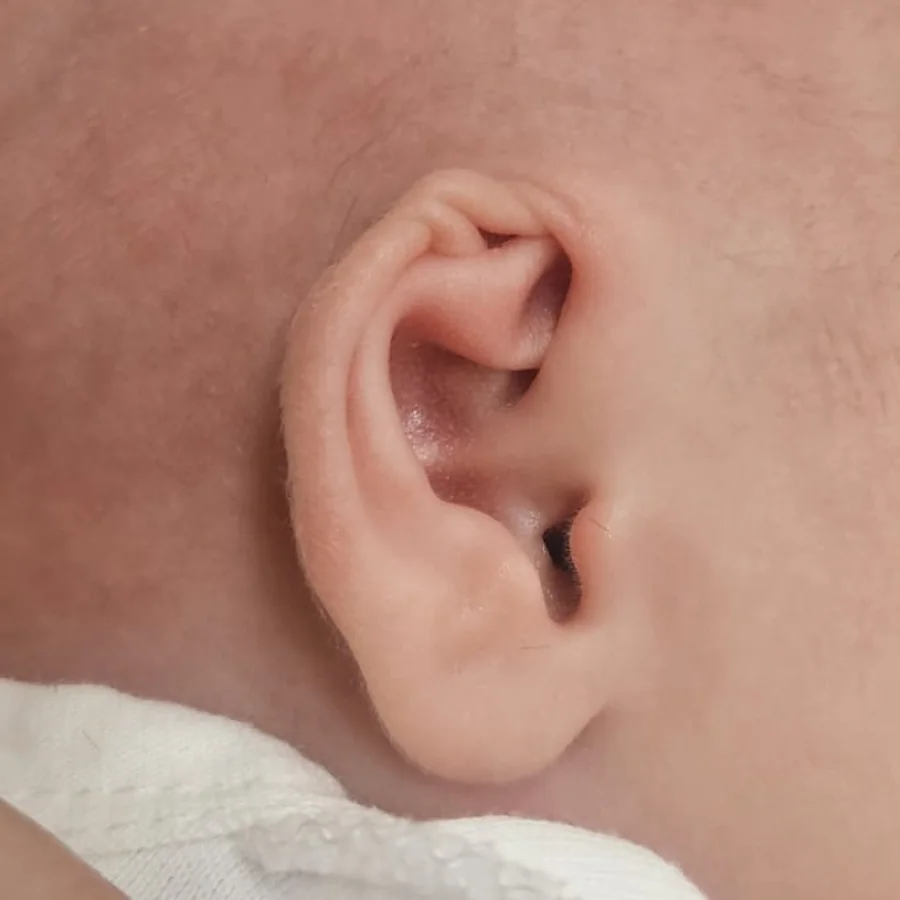
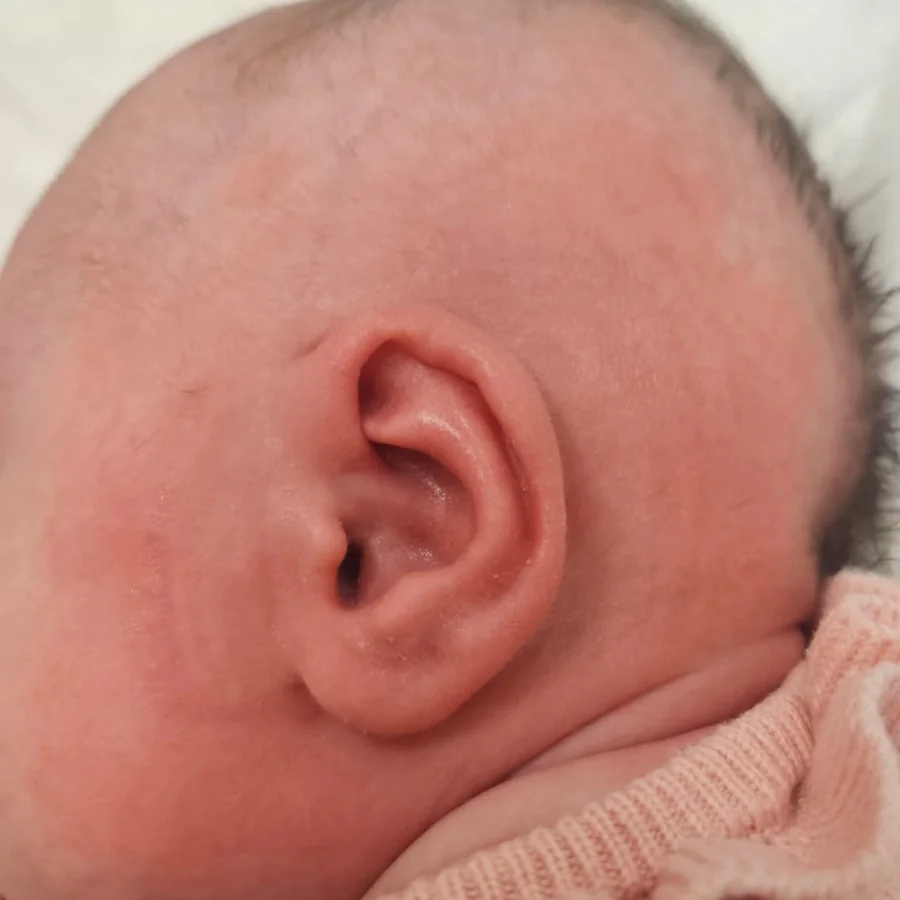
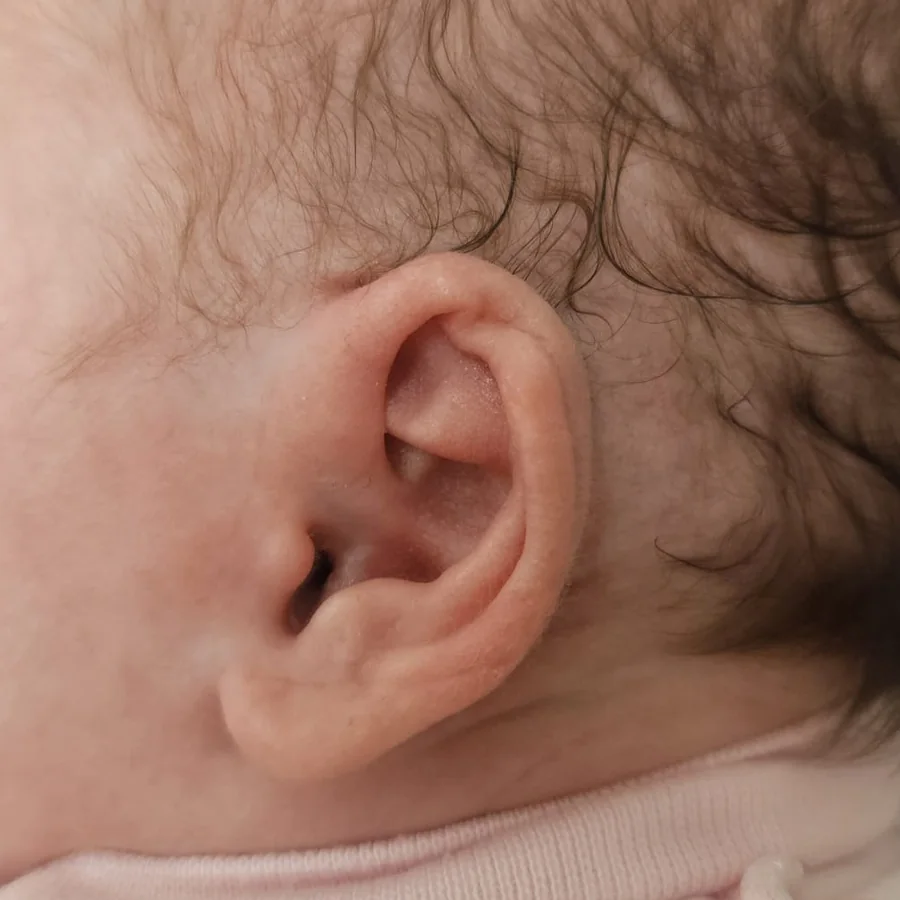
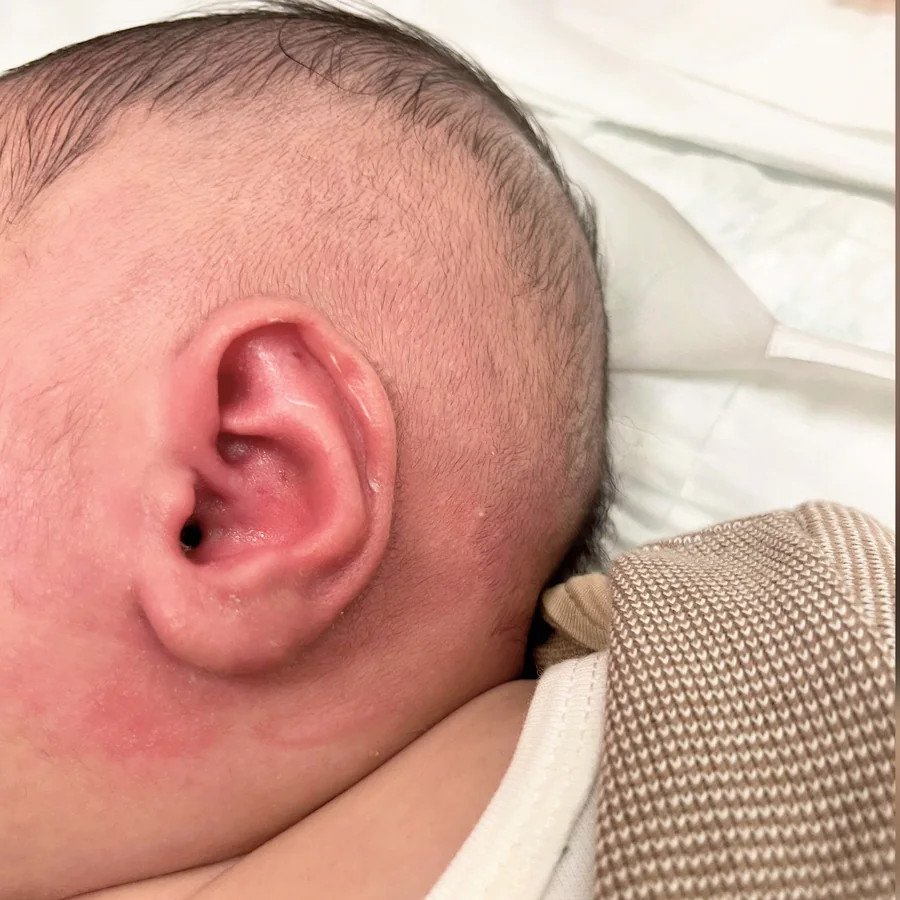
The CranioWell ear shaping kit is a silicone moulding device designed specifically for treating ear shape deformities in babies. It is an effective and reliable method for correcting ear shape deformities in babies in their first 2 months. The treatment is painless and safe, and with the right starting age it provides a lasting correction.

Emiliya Efendiyeva was the first in Azerbaijan to correct ear deformities in babies under 2 months of age painlessly, without bleeding and without incisions, using the CranioWell silicone moulding device.

Non-surgical

Ear surgery (otoplasty) is usually performed after the age of 4. Silicone moulding is a non-surgical alternative.

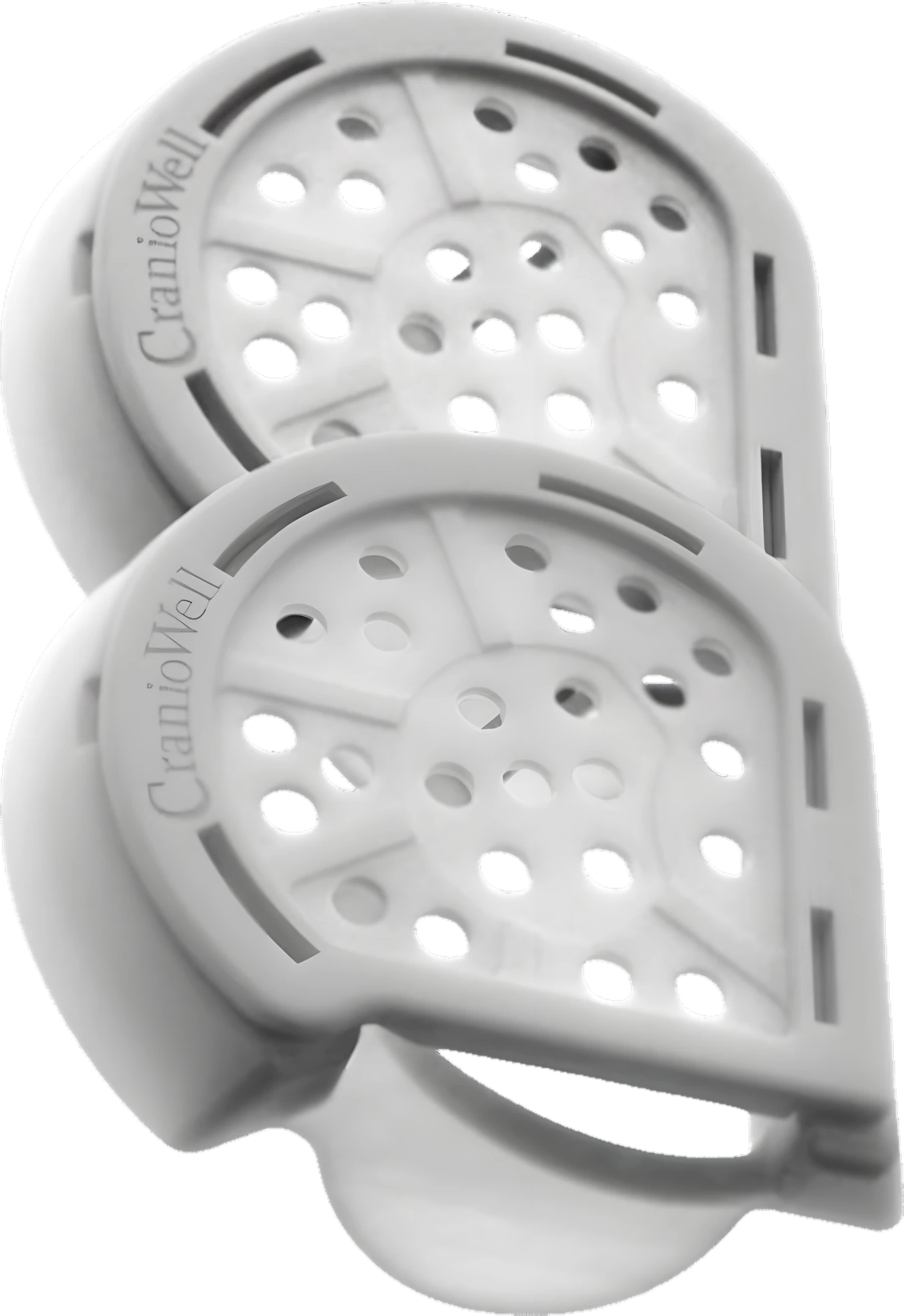
Under medical supervision

Treatment and monitoring of ear shape deformities must be carried out by qualified doctors.
Contact
Call with your questions
Results

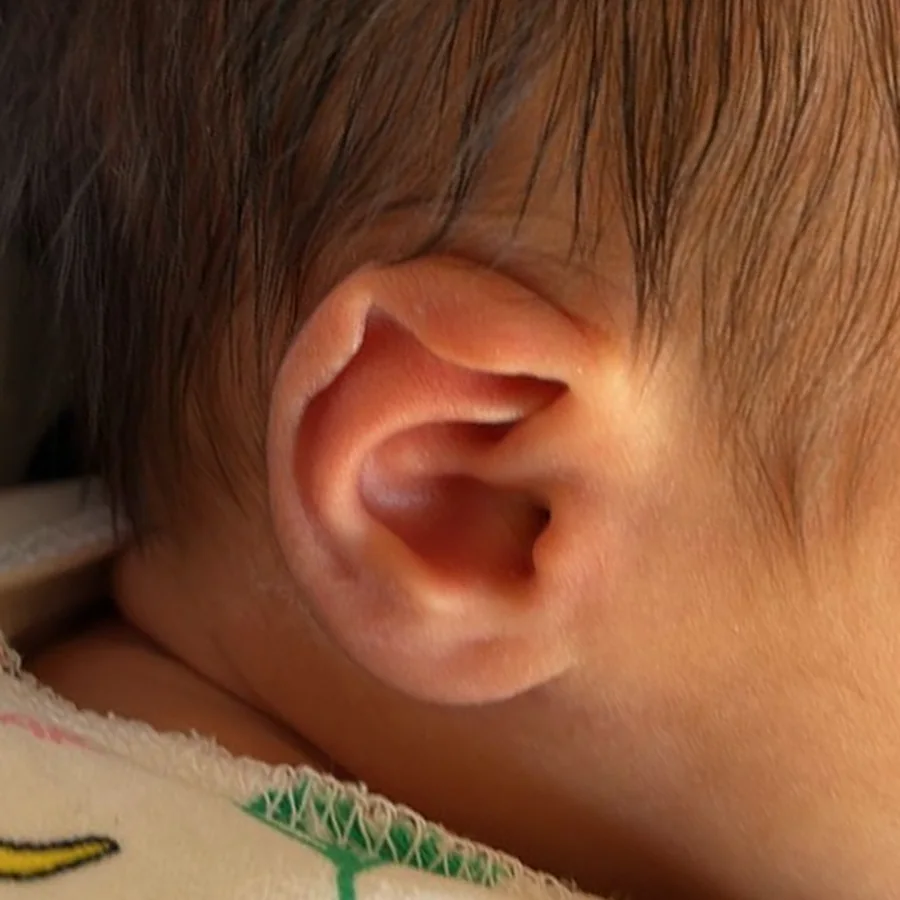
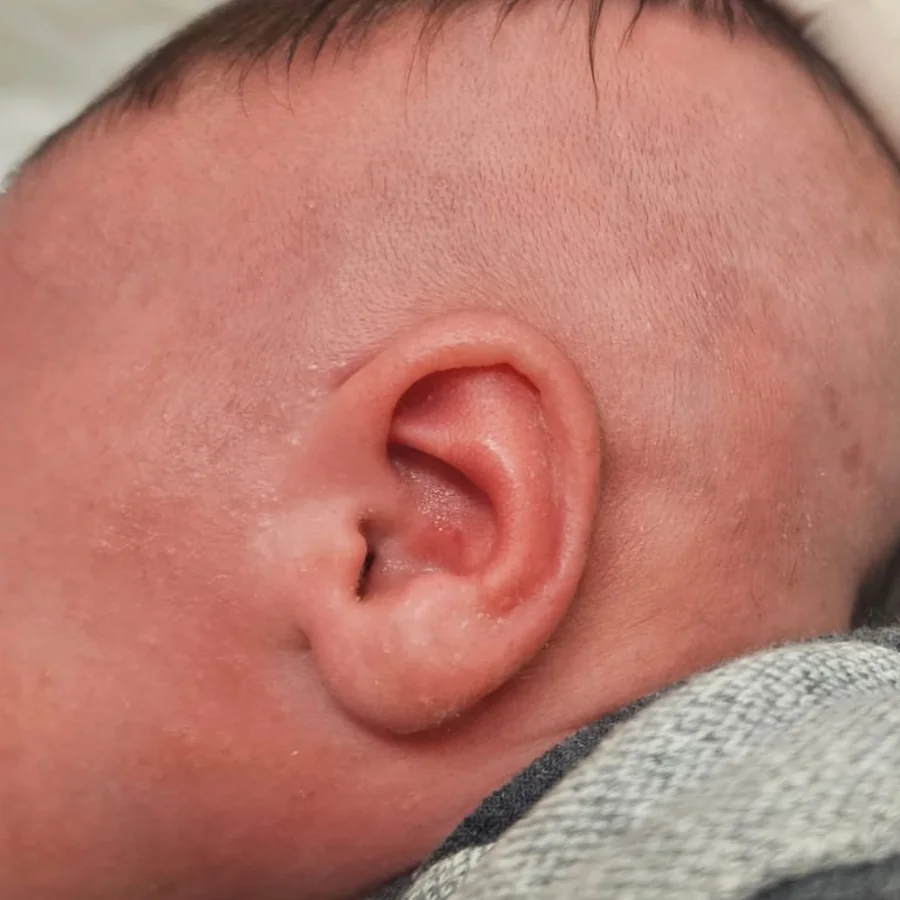
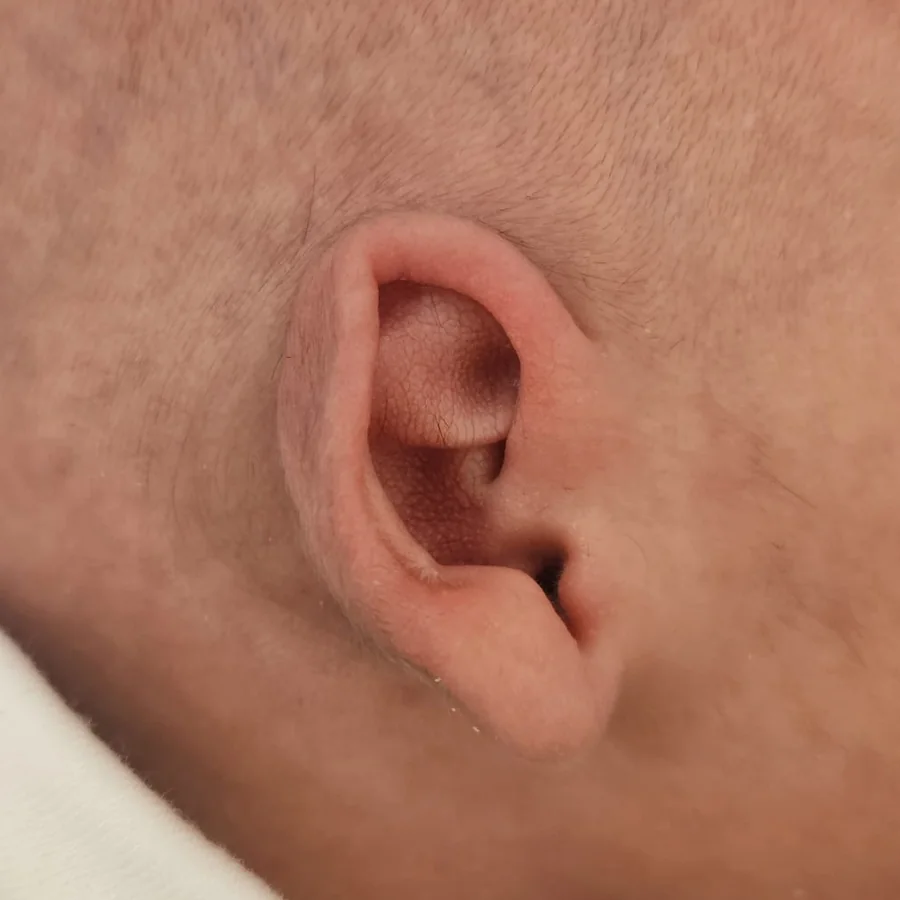
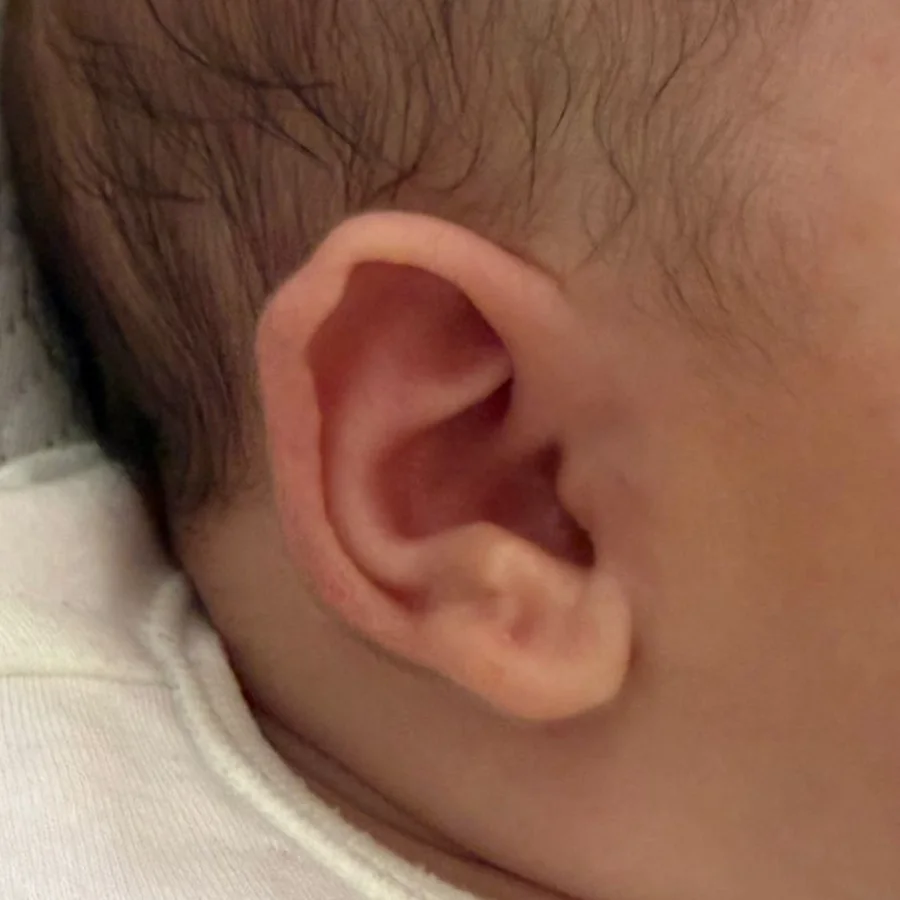
Before and after

Ear shaping — result 1 — after
Ear shaping — result 1 — before
Ear shaping — result 1
Ear shaping — result 2 — after
Ear shaping — result 2 — before
Ear shaping — result 2
Ear shaping — result 3 — after
Ear shaping — result 3 — before
Ear shaping — result 3
Ear shaping — result 4 — after
Ear shaping — result 4 — before
Ear shaping — result 4
Ear shaping — result 5 — after
Ear shaping — result 5 — before
Ear shaping — result 5
Ear shaping — result 6 — after
Ear shaping — result 6 — before
Ear shaping — result 6
Ear shaping — result 7 — after
Ear shaping — result 7 — before
Ear shaping — result 7
Ear shaping — result 8 — after
Ear shaping — result 8 — before
Ear shaping — result 8
Ear shaping — result 9 — after
Ear shaping — result 9 — before
Ear shaping — result 9
Ear shaping — result 10 — after
Ear shaping — result 10 — before
Ear shaping — result 10
Ear shaping — result 11 — after
Ear shaping — result 11 — before
Ear shaping — result 11
Ear shaping — result 12 — after
Ear shaping — result 12 — before
Ear shaping — result 12
Ear shaping — result 13 — after
Ear shaping — result 13 — before
Ear shaping — result 13
Ear shaping — result 14 — after
Ear shaping — result 14 — before
Ear shaping — result 14
Ear shaping — result 15 — after
Ear shaping — result 15 — before
Ear shaping — result 15
Ear shaping — result 16 — after
Ear shaping — result 16 — before
Ear shaping — result 16
Ear shaping — result 17 — after
Ear shaping — result 17 — before
Ear shaping — result 17
Ear shaping — result 18 — after
Ear shaping — result 18 — before
Ear shaping — result 18
Ear shaping — result 19 — after
Ear shaping — result 19 — before
Ear shaping — result 19
Ear shaping — result 20 — after
Ear shaping — result 20 — before
Ear shaping — result 20
Types of deformity

Ear shapes corrected with moulding

Prominent ear

The ear stands out from the head more than usual.

Stahl's ear

An extra cartilage fold is present in the upper part of the ear.

Constricted ear

The upper part of the ear is folded inwards.

Lop ear

Part of the ear appears to droop downwards.

The type and degree of the deformity are determined by the doctor during the examination.

How does it work?

The 4 stages of treatment

01

Examination

The doctor examines the structure of the ear and identifies the type of deformity.
02

Planning

An individual plan is made based on the baby’s age, the degree of deformity and the ear’s structure.
03

Fitting the kit

The CranioWell device is placed on the ear and guides the development of the cartilage.
04

Follow-up

Regular check-ups track progress, and the kit is adjusted when needed.
The earlier treatment starts, the higher the chance of success.
Questions

About ear shaping

  • In the baby's first 2 months — the earlier, the better. Ear cartilage gradually firms up after birth, so the earlier treatment begins, the better the result. The best results are achieved when treatment starts in the first 2 weeks.
  • Ear shape abnormalities are seen in about 25% of newborns. 3–5% of these cases require shaping treatment.
  • No. The device is made of soft, skin-friendly silicone and does not cause pain when used correctly under a doctor's supervision. If you notice redness or irritation, contact your doctor.
  • The duration depends on the baby's age and the type and degree of the deformity, and usually takes a few weeks. For example, about 3 weeks for babies aged 15–21 days and about 8 weeks for babies aged 8 weeks. The result becomes visible gradually.
  • As the cartilage firms up, the chance of success decreases. At this age only partial correction may be possible, under a doctor's supervision.
  • Such methods usually do not give sufficient or lasting correction. Treatment and monitoring of ear deformities should be carried out by a qualified doctor.
  • The deformity is mainly a cosmetic issue and usually does not affect hearing. However, if left untreated, it may become more noticeable with age.
  • Surgery (otoplasty) is usually performed after the age of 4. Moulding in babies is a non-surgical alternative and can only be applied in the first months of life.